Choosing between composite and porcelain veneers can significantly shape your smile transformation journey. Both options deliver remarkable results, but understanding their differences is essential for making a decision that truly serves your goals. This guide walks through the key distinctions in durability, aesthetics, procedure, and long-term value so you can arrive at your consultation prepared and confident.

The Core Difference: Materials Matter
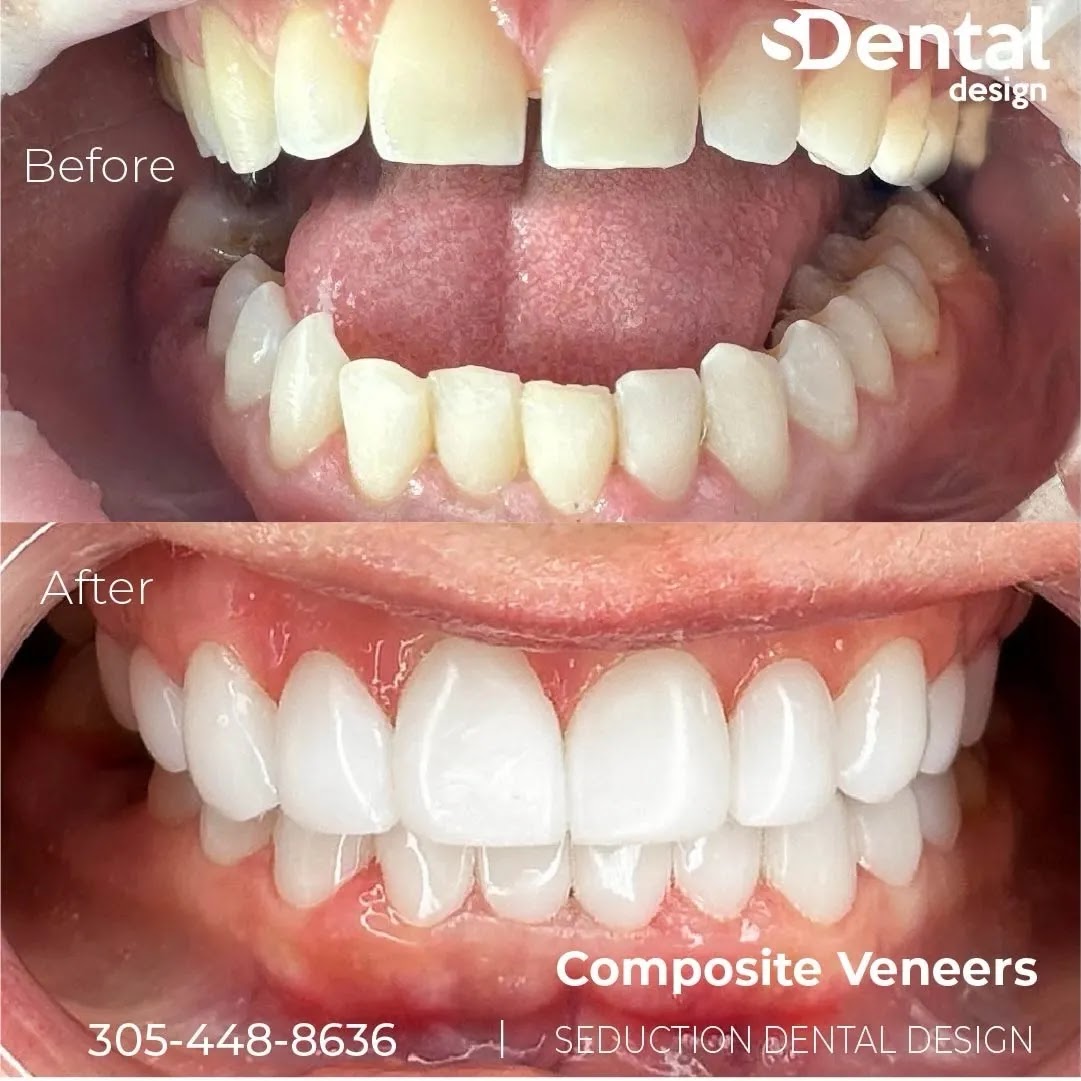
Composite veneers are made from a tooth-colored resin that is sculpted and bonded directly to the tooth surface. Porcelain veneers are precision-crafted from dental-grade ceramic in a laboratory, then bonded during a second appointment. That distinction in material drives nearly every other difference, from how long they last to how they catch the light.
Durability
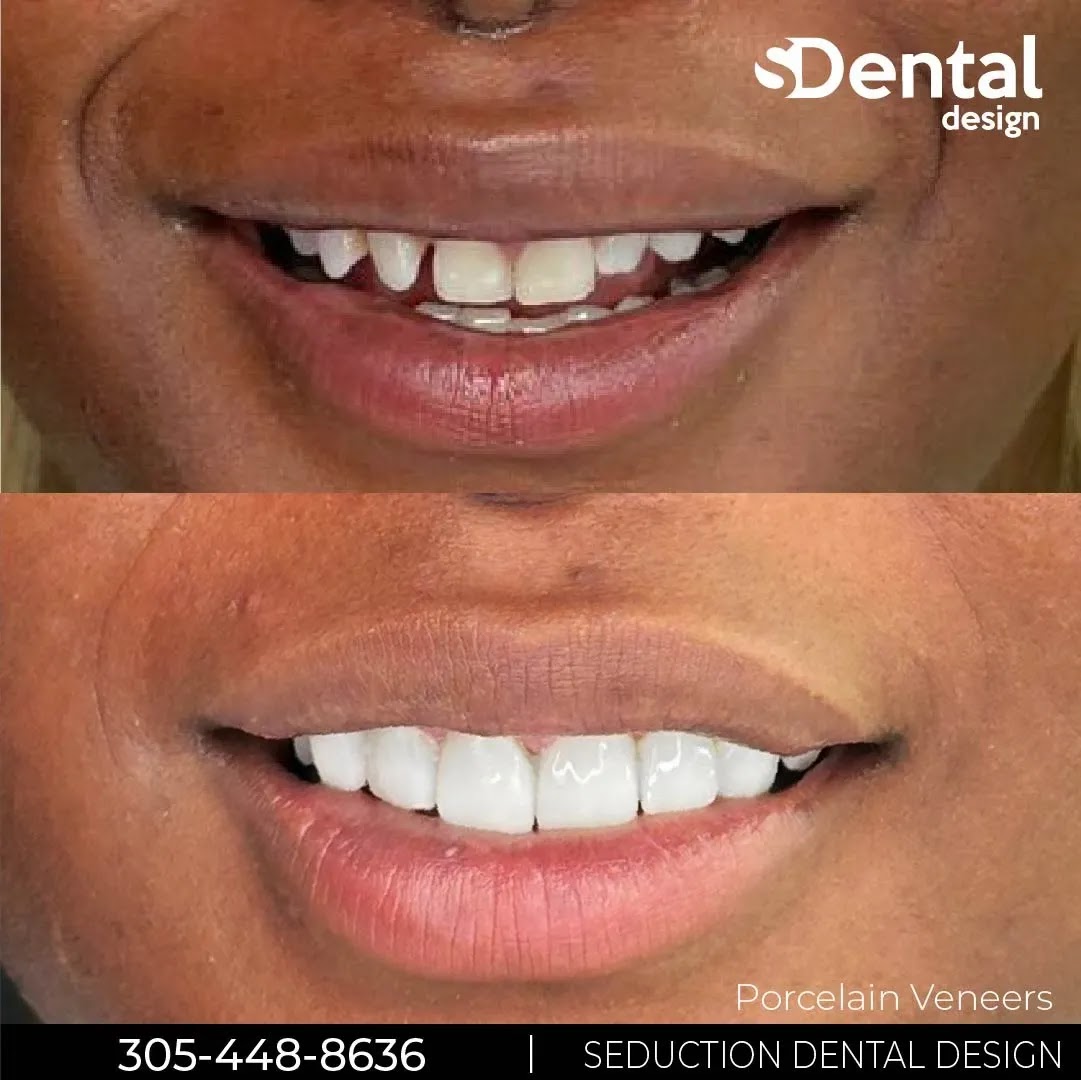
Porcelain veneers are the longer-lasting choice. Properly maintained, they typically endure 10 to 15 years, and many of our patients see results well beyond that. Composite veneers, while highly effective, have a shorter horizon of around 5 to 7 years before they may need refinishing or replacement.
Clinical research published in peer-reviewed literature supports this difference. A comprehensive comparison of veneer survival rates found that preparation design and material type both play meaningful roles in long-term outcomes, with ceramic materials consistently demonstrating superior longevity across studies.
Aesthetics
Porcelain closely mimics the natural translucency of tooth enamel, giving it an organic depth that catches light the way a real tooth does. For patients pursuing a full smile transformation, multiple teeth, a significant change in color or shape, porcelain's lifelike quality is difficult to surpass.
Composite can achieve beautiful results, particularly in the hands of a skilled cosmetic dentist. It allows for real-time sculpting and immediate adjustments. For isolated corrections or patients wanting to explore a new look before committing to porcelain, it remains a compelling choice.
"The goal with either material is the same: a smile that looks like it was always yours. The difference is in how we get there.", Svelta Dental Design
Procedure: What to Expect
The treatment process differs meaningfully between the two options:
Composite veneers, single visit
- Shade selection: Your dentist selects a resin shade that blends seamlessly with your surrounding teeth.
- Minimal preparation: Little to no enamel removal is required, keeping the process largely reversible.
- Direct application: Resin is applied in fine layers, sculpted to shape, then hardened with a curing light.
The entire appointment typically takes one to two hours. You leave the same day with a transformed smile.
Porcelain veneers, two visits
Your first visit involves a detailed consultation and tooth preparation, a thin layer of enamel is removed to make room for the veneer. Impressions are taken and sent to a dental laboratory. At your second appointment, the custom-crafted porcelain veneers are checked for fit and permanently bonded. Many practices, including Svelta, incorporate digital smile design technology to plan and preview your result before any preparation begins.
Maintenance
Both veneer types are maintained with regular brushing, flossing, and routine dental visits, no special regimen required. The practical difference is that porcelain is non-porous and highly stain-resistant, meaning it maintains its color more consistently over time. Composite is more susceptible to staining from coffee, wine, and other pigmented foods, and may benefit from periodic polishing to restore its surface luster.
Comfort and Recovery
Composite veneers involve minimal tooth alteration, so sensitivity is rare and recovery is essentially immediate. Porcelain veneers require a slightly more involved preparation, and some patients notice temporary sensitivity between appointments while temporary veneers are in place. This typically resolves within a few days of the final placement.
Cost Considerations in Miami
In Miami's cosmetic dentistry market, porcelain veneers represent a greater initial investment, reflecting the laboratory craftsmanship, premium ceramic materials, and multi-visit care involved. Composite veneers carry a lower entry point, though their shorter lifespan means more frequent replacement over time.
The right financial frame isn't the upfront number, it's the value per year of a confident, lasting smile. A clinical study comparing both options found no statistically significant difference in patient satisfaction with cosmetic outcomes. The meaningful distinctions were in tooth conservation, treatment time, and long-term replacement costs, all factors your consultation will help you weigh.
At-a-Glance Comparison
| Factor | Composite | Porcelain |
|---|---|---|
| Lifespan | 5–7 years | 10–15+ years |
| Appointments | 1 visit | 2 visits |
| Aesthetic quality | Excellent | Exceptional |
| Stain resistance | Moderate | High |
| Reversibility | Largely reversible | Permanent |
| Repairability | Easy, chairside | Requires replacement |
| Approximate cost (per tooth) | $250–$2,000 | $1,000–$2,500 |
Why a Personalized Consultation Changes Everything
No comparison guide can tell you which veneer is right for your teeth, because the answer depends on your unique dental anatomy, the specific changes you want to make, and what matters most to you in the result. At Svelta, our consultations are complimentary and pressure-free. We'll review your goals, examine your teeth, and walk you through exactly which option we'd recommend and why.
Recent advances in digital smile design allow us to model your anticipated result before treatment begins, so you can see and approve your future smile before a single veneer is placed.
Both composite and porcelain veneers, when placed with precision and artistry, can produce a smile that feels natural, looks stunning, and changes the way you carry yourself. The difference is in the details, and our team is here to help you find the right fit.
Frequently Asked Questions
What is the main difference between composite and porcelain veneers?
Composite veneers are sculpted directly onto your teeth chairside in a single visit using tooth-colored resin. Porcelain veneers are custom-fabricated in a dental lab from high-quality ceramic and bonded at a second appointment. Porcelain is more durable, more stain-resistant, and more natural-looking, while composite is faster and more affordable.
Which lasts longer, composite or porcelain veneers?
Porcelain veneers last 15 to 20 years with proper care. Composite veneers typically last 5 to 7 years before they need refreshing or replacement. Both can be maintained with regular dental hygiene and routine checkups.
Are composite veneers cheaper than porcelain veneers?
Yes. Composite veneers in Miami typically range from $300 to $600 per tooth, while porcelain veneers range from $1,000 to $2,500 per tooth. The cost difference reflects the materials, lab work, and longevity involved in each option.
Can I switch from composite to porcelain veneers later?
Yes. Because composite veneers preserve your natural enamel, switching to porcelain veneers later is completely straightforward. Many patients start with composite to preview their new smile and later upgrade to the durability and aesthetics of porcelain.